
Water Softener vs Water Filter: What Each One Removes
A softener removes hardness; filters remove taste, sediment or contaminants. NSF standards compared, which problem each fixes, and how to combine them.
 Daniel Moreno
A softener removes hardness; filters remove taste, sediment or contaminants. NSF standards compared, which problem each fixes, and how to combine them.
Groundwater dissolves rock and nobody treats a private well. Testing schedules from two state health departments, what to test and how iron changes the sums.
A softener removes hardness; a salt-free conditioner leaves it in and aims to stop scale. Side-by-side comparison, costs and which to choose.

Potassium chloride keeps sodium out of softened water but costs more and softens less efficiently. Mineral tables by hardness, who should switch and how.

Where hardness hides in a Consumer Confidence Report, how to read ppm, mg/L and gpg, which figure to use for a softener, and how to work it out from calcium.
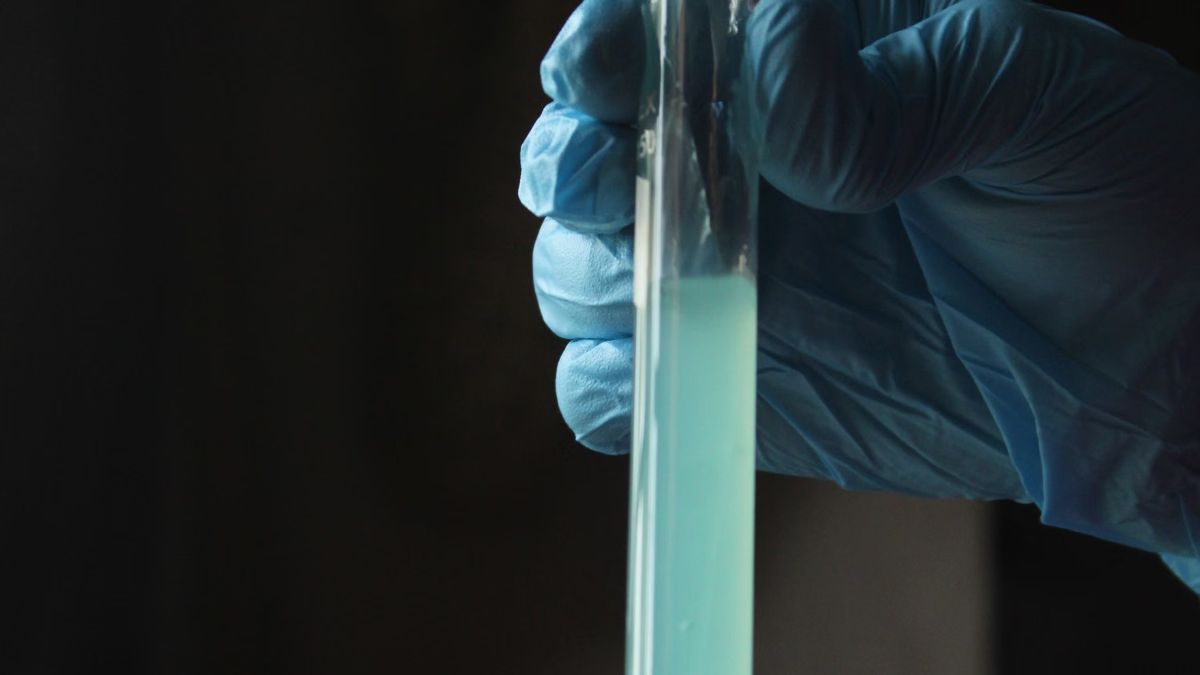
Check your water report first, then test with strips, a drop kit or a lab. Step-by-step strip test, what your result means and how to test a softener.

Why tankless heaters scale faster, what Noritz and Rinnai warranties say about hard water, the yearly vinegar flush step by step, and prevention.
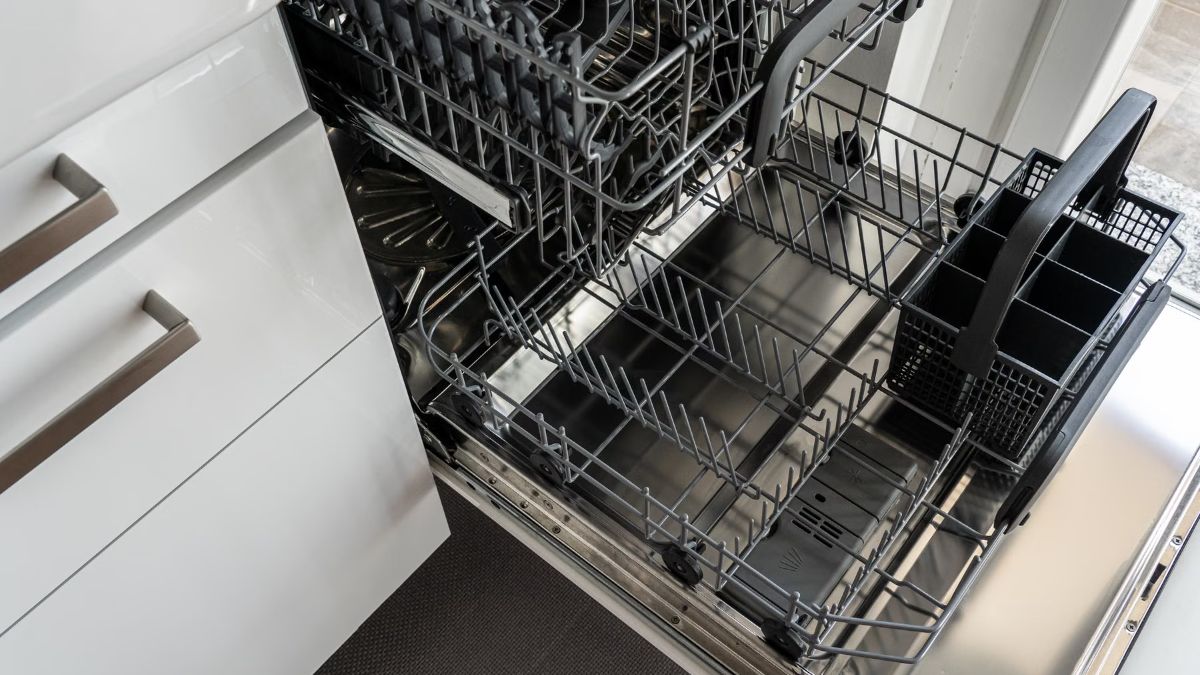
Convert your water report into the dishwasher’s unit and pick the matching level. The Bosch H00 to H07 table in every unit, with real city examples.
A 32,000-grain unit suits up to about 25,600 grains a week at medium salt; a 48,000 up to 38,400. Tables by household, plus the salt the bigger tank can save.
Ion exchange in plain terms, the types compared, the NSF/ANSI 44 efficiency rating, sizing, running costs by hardness and the downsides.

Water hardness figures from each utility's own report, and free calculators that show their math. Every number links to its source.