
Well Water Hardness: Why It Runs Higher and How to Test It
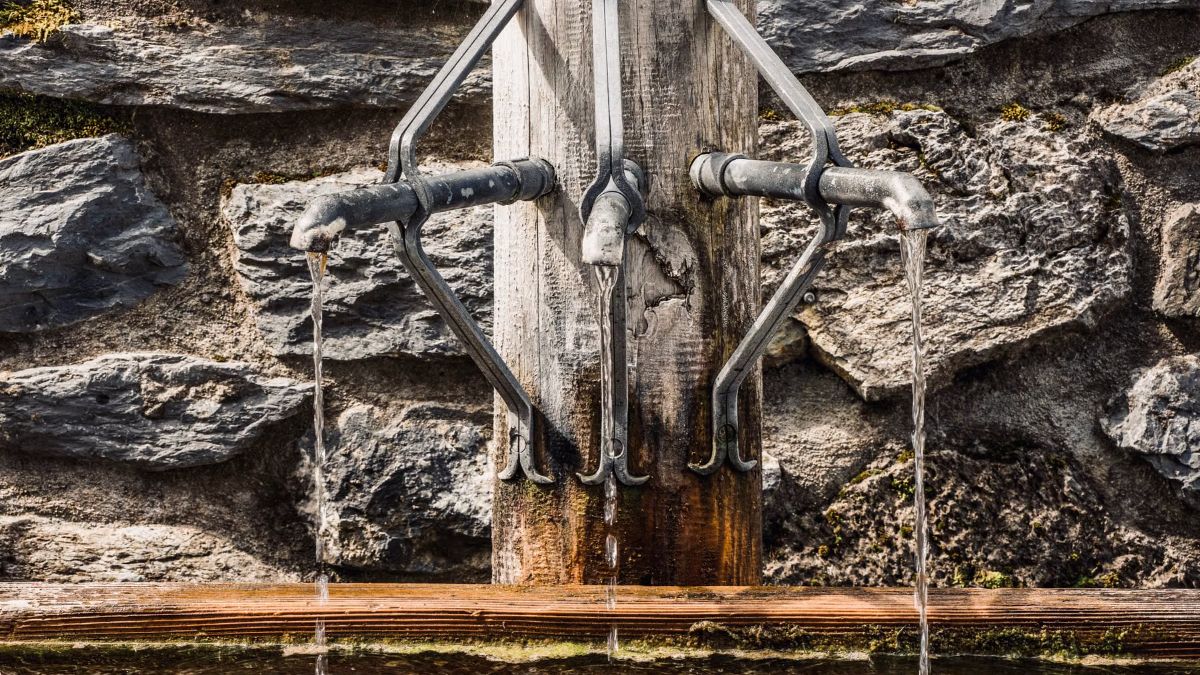
Groundwater dissolves rock and nobody treats a private well. Testing schedules from two state health departments, what to test and how iron changes the sums.

Hard water is water with a high level of dissolved calcium and magnesium. This section explains how hardness is measured, what the numbers on the USGS scale mean, how to convert between grains per gallon, ppm and Clark degrees, and how to check your own supply with a test kit or your utility’s annual water quality report.
Every figure on these pages links to its official source and shows the date it was published, so you can check it yourself.
Groundwater dissolves rock and nobody treats a private well. Testing schedules from two state health departments, what to test and how iron changes the sums.

Where hardness hides in a Consumer Confidence Report, how to read ppm, mg/L and gpg, which figure to use for a softener, and how to work it out from calcium.
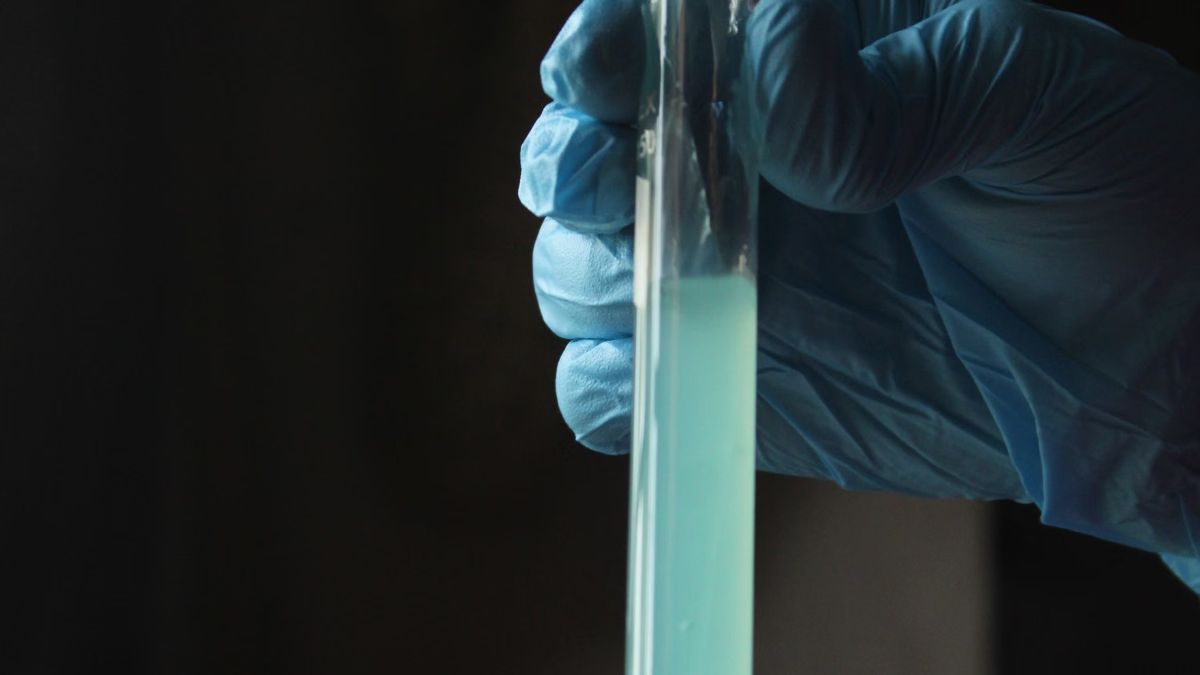
Check your water report first, then test with strips, a drop kit or a lab. Step-by-step strip test, what your result means and how to test a softener.
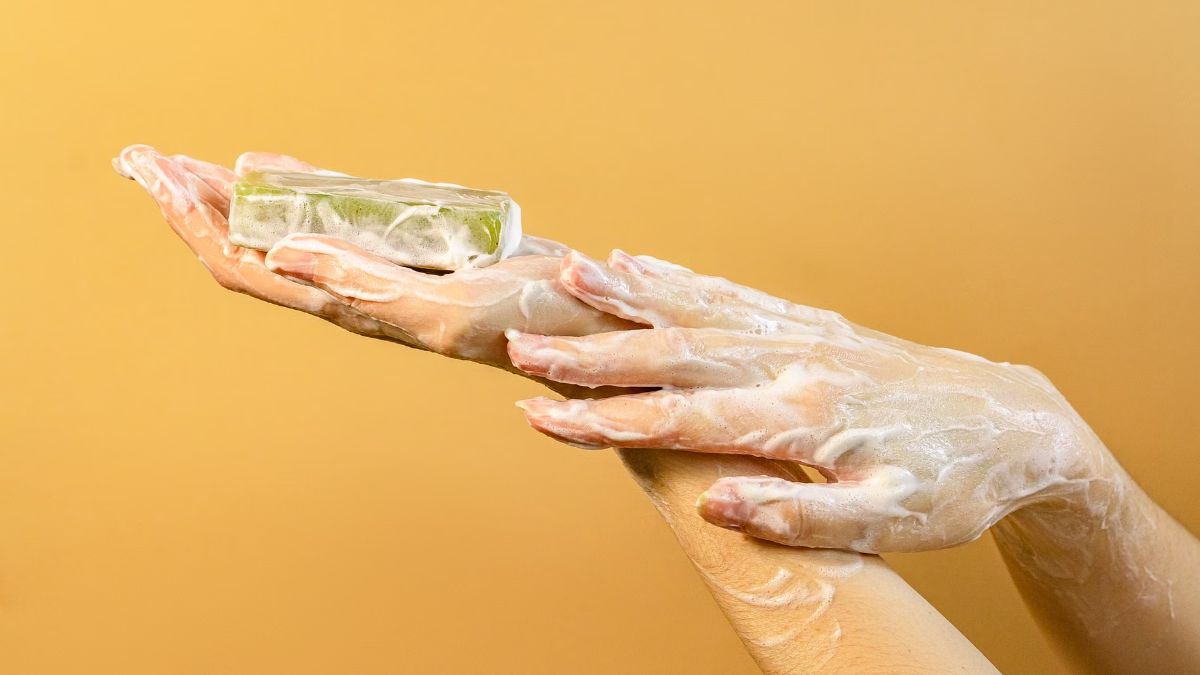
The difference is calcium and magnesium: up to 60 mg/L is soft, over 120 hard. What each does to soap, scale and pipes, and how to tell which you have.

Multiply gpg by 17.118 for ppm, or divide ppm by 17.118 for gpg. Where the factor comes from, tables both ways and the mix-ups to avoid.

Soft up to 60 mg/L, moderately hard to 120, hard to 180, very hard above. Charts by gpg and ppm in every unit, a converter and what each level means.
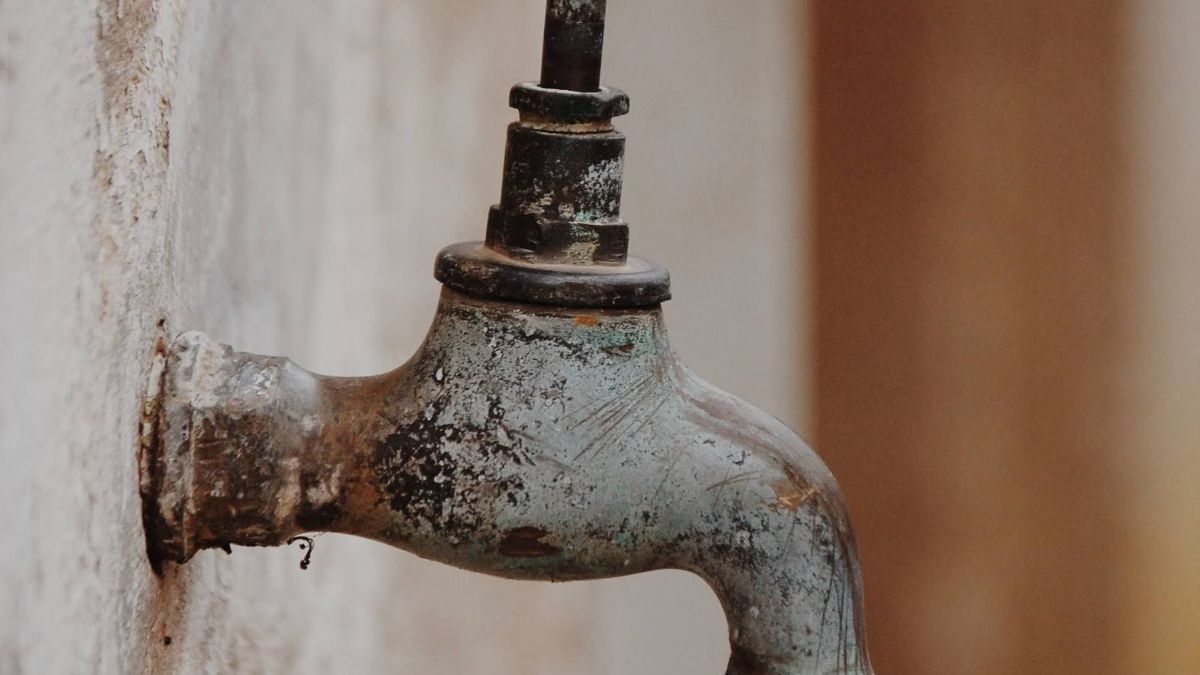
Hard water is high in dissolved calcium and magnesium. The USGS scale in every unit, why kettles scale up, the signs and how to find your own figure.

Water hardness figures from each utility's own report, and free calculators that show their math. Every number links to its source.