
Potassium Chloride vs Salt for Water Softeners: Cost, Sodium and Switching

Potassium chloride keeps sodium out of softened water but costs more and softens less efficiently. Mineral tables by hardness, who should switch and how.
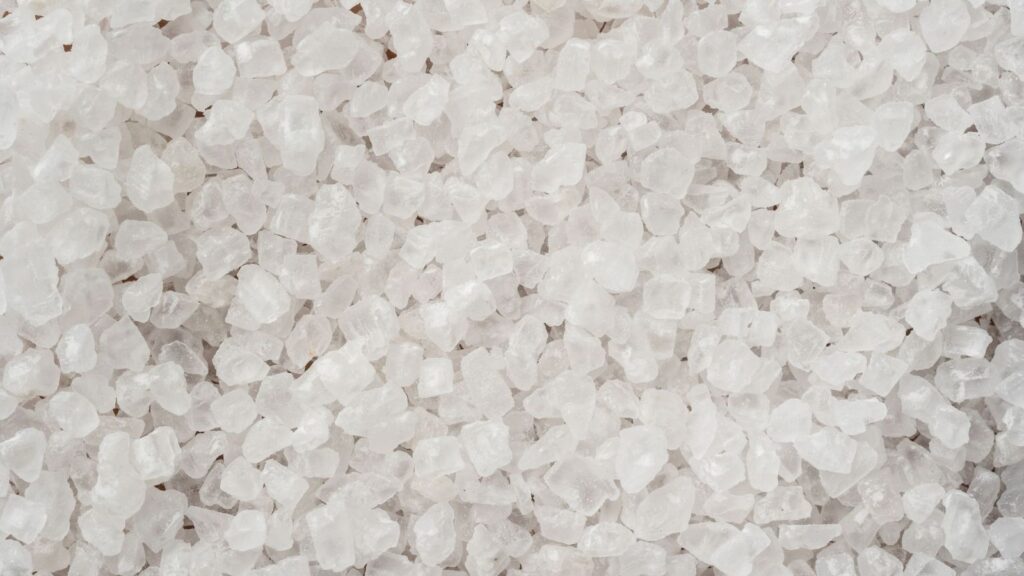
Most softener problems come down to salt, settings or a blocked brine tank. This section covers how much salt a softener uses, which salt to buy, the hardness number to enter, how often it should regenerate, and step-by-step fixes when it stops using salt or the water turns hard again.
Where settings depend on your model, we point you to the manufacturer’s manual rather than guessing.
Potassium chloride keeps sodium out of softened water but costs more and softens less efficiently. Mineral tables by hardness, who should switch and how.
Check salt monthly, break up bridges, keep settings right and test the water. A full schedule, plus iron, sanitising, absences and warning signs.

Pellets are the safe default but can mush; solar salt bridges more; blocks only for softeners built for them. A comparison and when to switch.

About every 5 to 10 days. Tables for 24,000 to 64,000-grain softeners, the reserve explained, and what to check if yours cycles too often or too rarely.
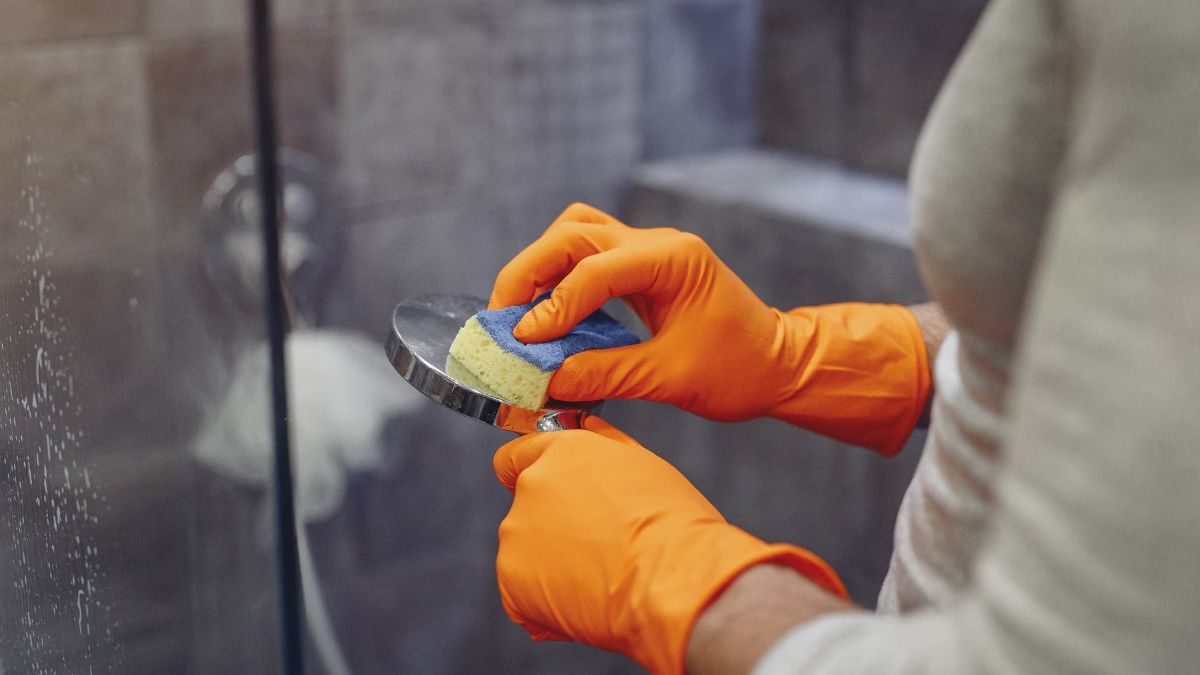
Usually a salt bridge. Seven causes in the order to check them, from a crust in the tank to a plugged injector or an open bypass valve.

About six weeks for a family of four on 10 gpg water, three weeks on 20 gpg. Tables for 40 lb, 50 lb and 25 kg bags, and why yours may differ.
Enter your hardness in gpg, plus 5 per ppm of iron, using the high end of any range. A worked table shows what a wrong setting costs.

About 350 lb a year for a family of four on 10 gpg water, or twice that on the highest salt setting. Tables by hardness, the salt setting explained, and fixes.

Water hardness figures from each utility's own report, and free calculators that show their math. Every number links to its source.