
How to Remove Hard Water Stains from Shower Glass

Spray a 50/50 vinegar and water mix, wait an hour, wipe with microfibre and dry. What to do with stubborn or etched glass, and how to stop stains coming back.
 Daniel Moreno
Spray a 50/50 vinegar and water mix, wait an hour, wipe with microfibre and dry. What to do with stubborn or etched glass, and how to stop stains coming back.
Probably yes above 7 gpg if scale costs you time or money; no below 3.5 gpg. A checklist, the reasons to hold back and running costs by hardness.

About every 5 to 10 days. Tables for 24,000 to 64,000-grain softeners, the reserve explained, and what to check if yours cycles too often or too rarely.
Usually a salt bridge. Seven causes in the order to check them, from a crust in the tank to a plugged injector or an open bypass valve.
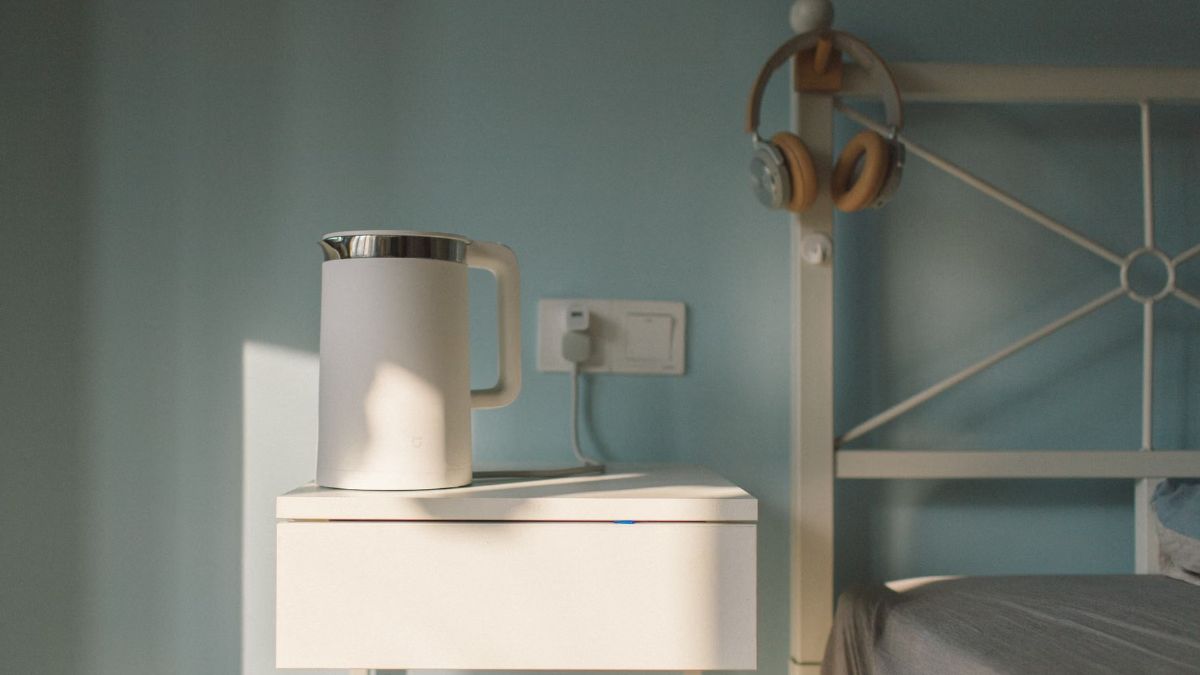
Citric acid in a just-boiled kettle for 15–20 minutes, or a boiled 50/50 vinegar mix. Steps, how much acid scale needs and how often to descale.
SAWS puts San Antonio’s water at 15–20 gpg, very hard on the USGS scale. Why, what to set a softener to, sizes, salt use and how to handle the scale.

Austin’s tap water averaged 93 ppm (5.4 gpg) in 2025, range 70–126 ppm. Why it’s softer than the rest of Texas, what to set a softener to and salt use.
Enter your hardness in gpg, plus 5 per ppm of iron, using the high end of any range. A worked table shows what a wrong setting costs.
Soft up to 60 mg/L, moderately hard to 120, hard to 180, very hard above. Charts by gpg and ppm in every unit, a converter and what each level means.

Vinegar or citric acid, left long enough, then rinsed. Methods and contact times for kettles, shower heads, taps, glass and water heaters, plus safety.

Water hardness figures from each utility's own report, and free calculators that show their math. Every number links to its source.